
Compost for Greener Living
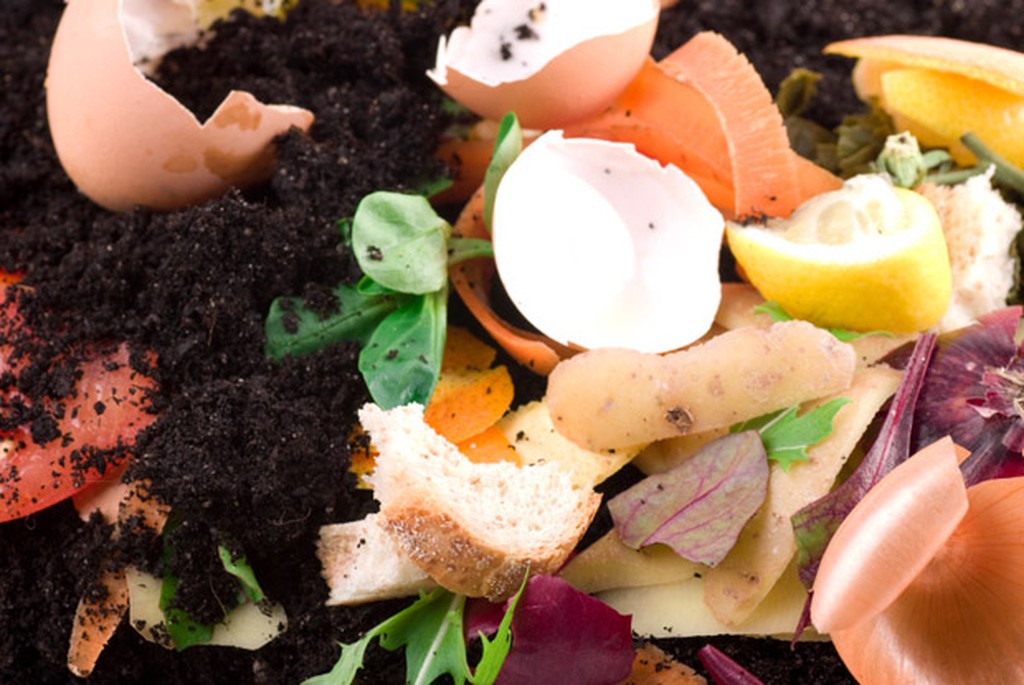 In recent years, you’ve probably heard or – or maybe been a part of – a movement toward living a greener, more environmentally conscious lifestyle. One of the easiest means of being eco friendly is through composting. It is said that composting can lessen the waste stream out of your home by over one-third, and it takes very minimal effort or supplies to get started. Not only does it reduce waste in your home and in landfills, it negates the need for expensive synthetic fertilizers, lends to more nutritious flora, and can help lower water bills by keeping the soil moist. If you’re interested in a fun project that is beneficial for both you AND the environment, keep reading for tips to help you get started.
1) Save those kitchen scraps. They are typically nitrogen rich, lending heat to the compost pile and increasing the speed of the compost process. Scraps from your produce, egg shells, and used coffee grounds or tea leaves are some of the best. Avoid animal products, though, as they attract rodents, flies, and maggots…. not to mention the smell!
2) Choose a location for your compost that is easy to access, partially shaded, and away from large trees, vines, or wooden structures. Ideally, you will place it on the bare ground, but check that your city doesn’t require you to maintain it on cement or a deck.
3) Aim for a compost pile that is approximately nine square feet. It may be a bit more sizeable than you imagine, but heat builds with a bigger pile. Try not to go any bigger, though. A composting bin is useful for keeping this pile contained.
4) Aerate your compost pile regularly – every seven to ten days. Additionally, each time you add new material, turn it or mix it up to keep the contents oxygenated. If you want to get fancy, invest in a compost aerating tool.
5) Keep the compost pile moist to keep it active, but don’t keep it too wet. Soggy, stinky compost is as bad as dry, dead compost.
6) Like all things in life, composting needs the proper balance. Keep a good mix of composting materials so that you are not overloaded in either carbon rich material (“browns” such as dried leaves or wood) or nitrogen rich material (“greens” such as produce scraps and grass clippings). Ideally, you want two parts green material to one part brown.